
10 Mistakes Personal Chefs Make on Their Websites
When I first started as a personal chef, I had no mentor. I didn't know anyone else who was a personal chef and I couldn't find any firm answers online. I had to figure it all out on my own. Obviously, I made a ton of cringe worthy mistakes. I'd love to share them with you so you don't repeat them.
#1 Charging by the hour
For my very first client, I charged $25 an hour. I soon became more efficient and...wait, I'm still getting paid $25 an hour. I was thinking like an employee and not a business owner. Employees are paid by the hour and now I was a business owner.
After much study, I learned that personal chefs are not paid by the hour. They do not price their services like restaurant chefs either, since food costs are not calculated as part of the meal. More about pricing, click here.
#2 Accepting anyone and everyone as a client
Not everyone is a good fit for your business. You have to take into account whether you can accommodate the client's menu requests follow...
*How to Price Personal Chef Services (Meal Prep, Dinner Parties)

Personal chefs do not price their services by the hour. Pricing is based on the service you offer, your business model, and the overall value of the experience. Learning how to price personal chef services correctly is what determines whether your business is sustainable long term.
I find some personal chefs not starting their business because they are not sure how to go about charging. Is that you?
It is one of the most common questions I am asked: how much should I charge for meal prep services, and how much should I charge for a dinner party?
Personal Chef vs Catering Pricing
Before pricing your services, it is important to understand the difference between personal chef services and catering.
As a personal chef, you bring groceries to a client’s home and cook everything there.
In catering or meal delivery, food is prepared in a commercial kitchen and transported to the client.
Commercial kitchens must be approved by the health department and follow strict regulations, includ...
*How to Turn Your Home Kitchen Into a Commercial Kitchen (Requirements + Costs)
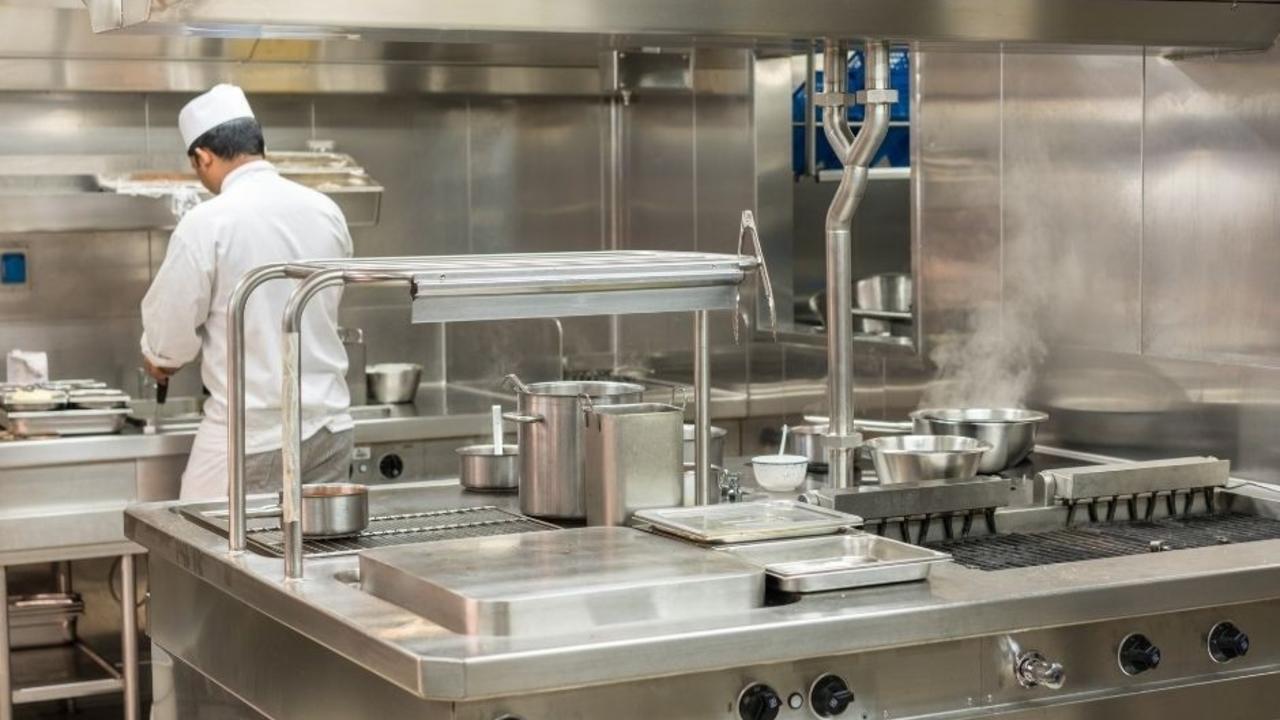
Turning your home kitchen into a commercial kitchen requires approval from your local health department and meeting strict fire, health, and business codes. Most standard home kitchens do not meet these requirements without significant upgrades.
Many people want to cook out of their home kitchen and sell food, but it is not legal to do so without proper approval.
So what does it actually take to turn your home kitchen into a health department approved commercial kitchen?
What Is a Commercial Kitchen?
A commercial kitchen is a space that meets local regulations for food safety, sanitation, and fire protection.
You cannot cook food at home and sell it to clients, either for delivery or pickup, without passing a health department inspection.
As a personal chef, you typically work in client homes, which eliminates this requirement. If you're comparing business models, read this next: Personal Chef vs Private Chef
Requirements to Convert a Home Kitchen Into a Commercial Kitchen
Requ...
How do I move my personal chef business into a commercial space?

When your schedule is maxed out with clients and catered dinners, you may consider moving into a commercial kitchen one or two days a week.
There are often plenty of restaurants or community centers (church or fire department kitchens) that are willing to sublet their kitchen to you. They appreciate the additional income and you will appreciate not locking yourself into a lengthy contract.
It is not suggested to START your personal chef business with a commercial kitchen as without a client base to pay for that kitchen, you're doing the hope and pray method of starting a small business.
Working in client homes, there is no overhead, so if you don't have clients in the beginning, you're not simultaneously losing money with commercial kitchen payments.
It's likely there are going to be only a few choices in your community for your new commercial kitchen space, so you may not have the luxury of being picky. If you do have a variety to choose from, however, you're better...
Should I say no if they have a nut allergy?
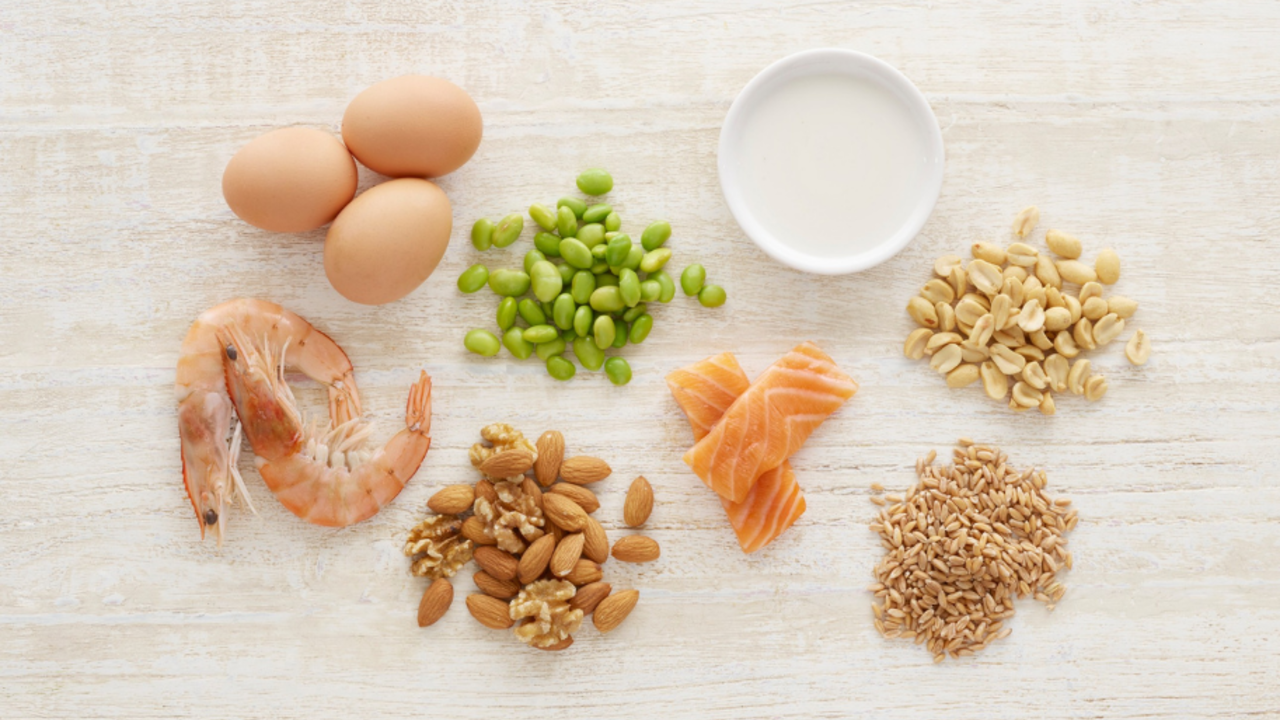
It's truly not unusual these days to encounter allergies so severe that the client requests you not bring any kitchen equipment into their home. They don't want to take the risk of any of your tools having touched an allergen in the past and possibly tracking it into their home and food. Even the smallest food particle could be fatal to those with severe allergies.
One of my first clients was a family with a young boy about five years old that had severe allergies. The list of "no" foods was two pages long. I shook my head at the client and shared with her that I was afraid to cook for them and that it would be too risky. It actually took the client to assure me that I was going to be excellent at helping their family and that I "must" take this job.
Looking back, it was fearful in the beginning, but truthfully it felt like one of my biggest accomplishments as a personal chef was making this family happy with food. I cooked probably fifty dinner parties for them since they w...
Freezing Meals as a Personal Chef
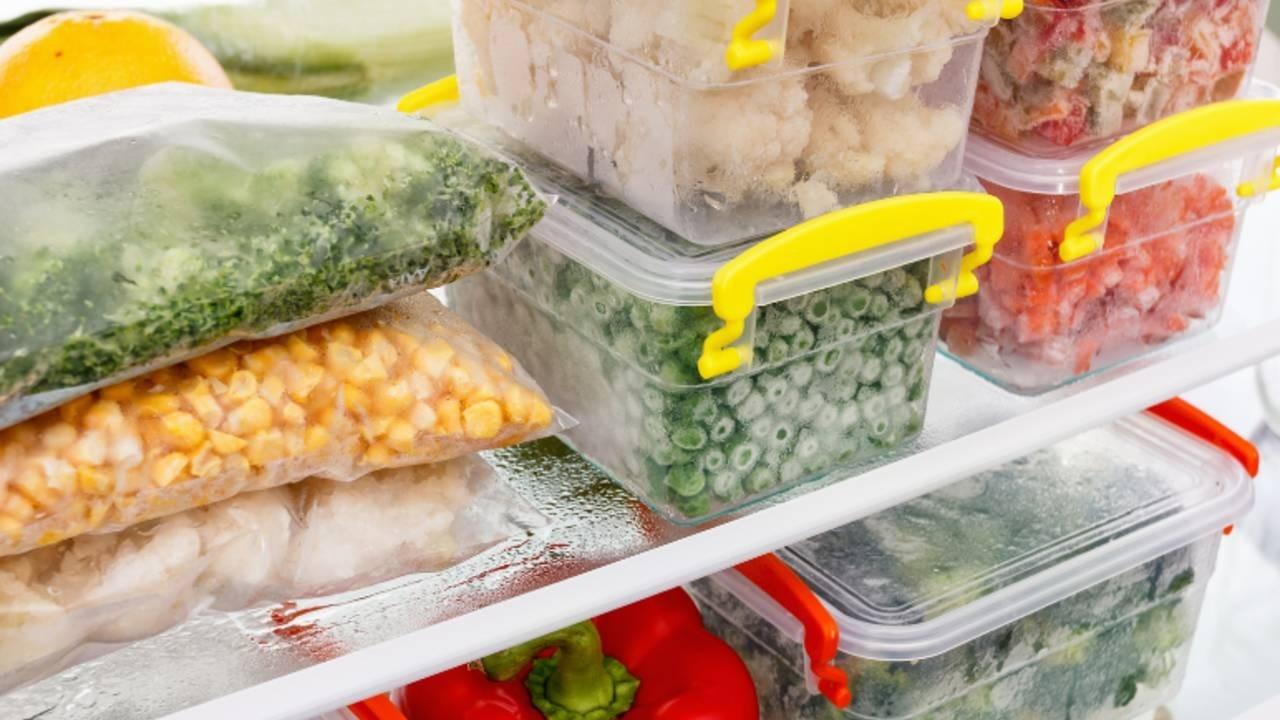
I do receive a lot of questions about freezing foods at meal prep cook sessions.
- What foods can be frozen?
- Do clients often request a month of meals at a time to include freezing some of the meals?
I find that the clients that hire you weekly will rarely request freezer meals. That said, it's a fantastic upsell to offer "freezer add-ons" that could be a batch of meatballs, fresh fruit smoothie prep, or individual lasagnas. This could be in addition (an additional service fee) to the three to five dinners you're already preparing at the cook session.
Commercially frozen vegetables are flash-frozen, which a process of freezing food in just a few hours via cryogenic temperatures or through direct contact with liquid nitrogen at −196 °C. Obviously you do not likely have this type of equipment readily available at your client's home. You can, however, perform a method of flash freezing at home.
Placing two pints of frozen fruit into a freezer bag will cause them to ...
*Personal Chef Business Plan: What You Actually Need (and What to Skip)

You do not need a detailed business plan to start a personal chef business.
Many new chefs spend weeks researching templates, writing mission statements, and planning finances. None of that gets you your first client.
What you actually need is a simple plan you can act on immediately.
This guide shows what to include in a personal chef business plan and what you can skip.
Do You Need a Business Plan for a Personal Chef Business?
You do not need a formal business plan to start.
You do not need financial projections.
You do not need a mission statement.
You do not need funding.
A detailed business plan is only necessary if you are applying for a loan or outside investment.
As a personal chef, your first priority is getting your first client, not writing a document.
What to Include in a Simple Personal Chef Business Plan
A simple one-page plan is enough to get started.
Include:
- The services you plan to offer
- Your business name and what makes your service different
- Your ide ...
Should I offer discounts in my personal chef business?

When first starting your personal chef business, it's not unusual for your friends and family to ask you to offer your cooking services for free or at a discount. They may even package it as "getting your name out there."
Decide now how you will handle discount requests in your business.
You might be tempted when you first start out in business to offer your services for free or maybe even at a discount.
When I first started in business, I had a friend who owned a hair salon and was having an art opening. She thought it would be a great opportunity for those who had never been to her business to visit the salon while perusing works of art. She asked if I would be interested in catering the event.
Because I was new in business, I was extremely excited about catering this event and wanted to make it extra special. I spent a lot of time researching interesting appetizers, probably more time than usual since I was so new. I created a fantastic menu with pricing, th...
What stage of the personal chef business are you in?

What stage of your personal chef business are you in?
Sometimes you’re in two stages at once or may choose to stay in one stage forever.
The three stages of business
- Startup
- Monetization
- Scale
You're likely currently in the start-up phase where you’re taking the time to invest in yourself and understand how to become an entrepreneur in your new personal chef business.
The monetization stage is when you’re making a profit and learning the most effective ways to market your particular business model to which your community responds.
At stage three, you’re ready to expand into new opportunities to add to your personal chef business. You may consider franchising or certifying others to become personal chefs under your brand.
Stage 1: Startup
When in the startup stage, it’s easy to get stuck perfecting your logo or website when you should be concentrating on getting new clients.
The other imperfection of this stage is comparing yourself to other person...
*Do You Need Culinary School to Be a Chef? (What Actually Matters)

You do not need culinary school to be a chef. A chef is someone who cooks professionally, and there is no requirement that you attend culinary school to use that title.
If you are having confidence issues calling yourself a chef because you did not go to culinary school, you are not alone.
What Is a Chef?
Consider how the term “chef” is defined:
Oxford Dictionary: a professional cook
Merriam-Webster Dictionary: a skilled cook who manages the kitchen
There is no mention of culinary school in either definition.
A chef is defined by what they do, not where they went to school.
Famous Chefs Who Did Not Attend Culinary School
Many well-known chefs did not attend culinary school.
- Gordon Ramsay
- Ina Garten
- Guy Fieri
- Martha Stewart
- Ree Drummond
- Rachael Ray
- Tom Colicchio
- Lidia Bastianich
- Mario Batali
These are all individuals who built successful careers through experience, not formal education.
Why This Comes Up So Often
There is a lot of emphasis placed on culinary scho...

10 Things to Do Before Starting Your Personal Chef Business
Ten-Step Actionable Checklist of things to do before investing in this new business so you're prepared when your first paying client comes along.
for Free
Personal Chef Mentor

Virginia Stockwell
Virginia Stockwell is a personal chef business mentor from California, now living in Austin, TX. She's had careers as a chiropractor and Realtor, then finally found her calling as a personal chef. Starting in catering in 2005, she began her personal chef business in 2012, quickly growing to a waiting list of clients thanks to her local marketing expertise. She now empowers home cooks and professional chefs to start their own meal prep and dinner party businesses, creating a life of hours and income they control. She lives the life of a minimalist both personally and professionally, reads cookbooks like novels, and is locally famous for her taco and margarita parties (check out "A Taco Walks into a Bar" on Amazon).
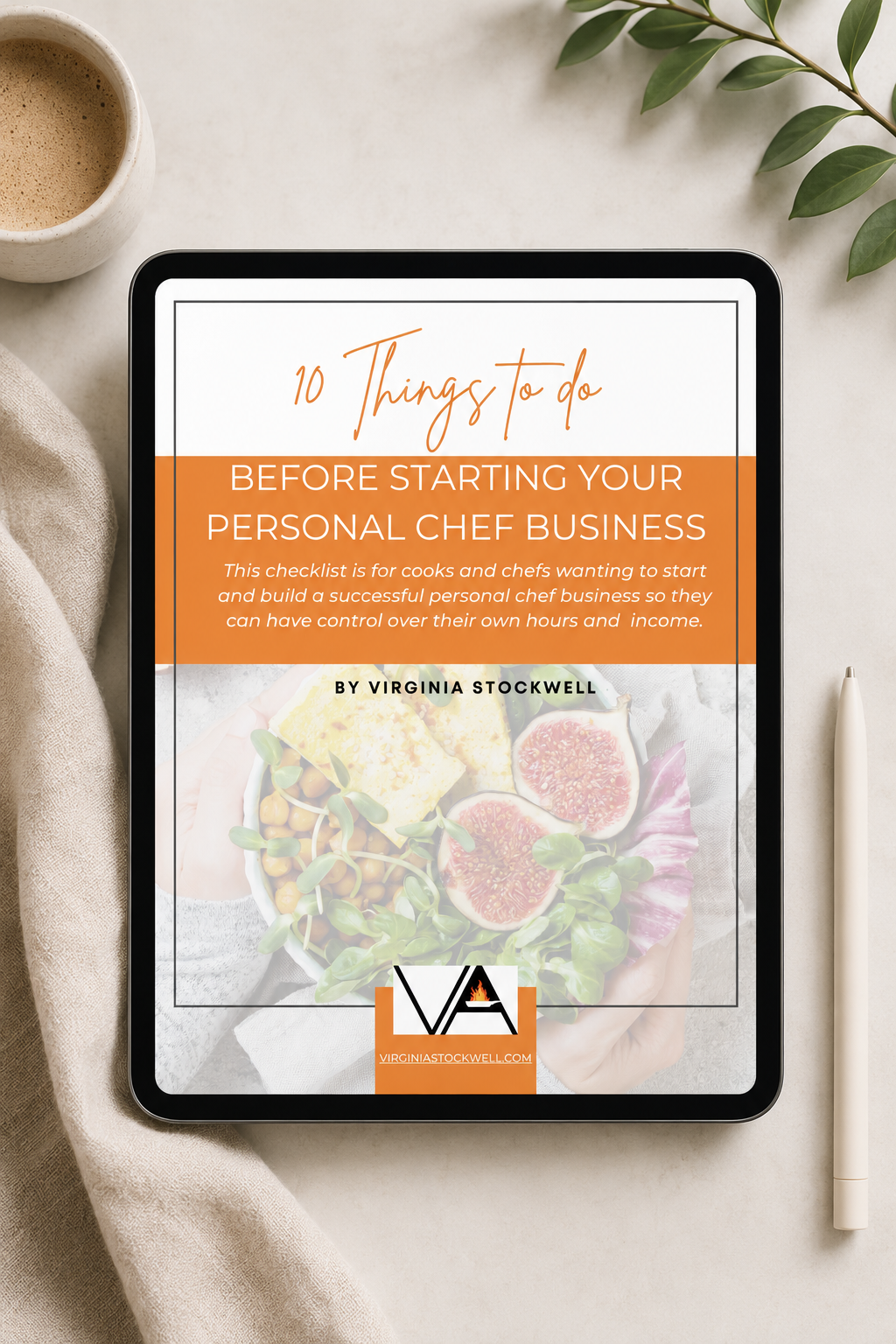
10-Step Actionable Checklist
FREE DOWNLOAD
10-Step Actionable Checklist
You've always said that "someday" you'll start that meal prep or dinner party business, but where do you begin?